

Halloween, the bewitching time of year, is a celebration that conjures up images of haunted houses, eerie costumes, and, of course, the timeless tradition of trick or treating. This delightful practice has been a cherished part of Halloween for generations, but its origins and evolution are shrouded in a rich tapestry of history, culture, and creativity. In this blog, we’ll delve into the fascinating history of trick or treating, explore the customs associated with it, and discover how it has become a beloved, family-friendly activity for people of all ages.
The Origins of Trick or Treating
The roots of trick or treating can be traced back to the ancient Celtic festival of Samhain, celebrated around November 1st. Samhain marked the end of the harvest season and the beginning of winter, a time when it was believed that the boundary between the living and the dead was thin. People would dress in costumes made from animal hides and gather around bonfires to ward off evil spirits.
As Christianity spread, the Celtic festival of Samhain evolved into All Hallows’ Eve, or Halloween, the night before All Saints’ Day. During the Middle Ages, a tradition called “souling” emerged in England and Ireland. On All Souls’ Day (November 2nd), poor individuals, known as “soulers,” would go from door to door offering to pray for the souls of the deceased in exchange for small treats, known as “soul cakes.”
The custom of souling was later adapted in various ways in different parts of Europe. In Scotland, for instance, children would go guising, dressing up in costumes and performing tricks in exchange for coins, fruit, and nuts. This tradition eventually made its way to North America, where it blended with other cultural influences to become the trick or treating we know today.
Trick or Treating in America
Trick or treating as we know it in America can be largely attributed to Irish and Scottish immigrants who brought their Halloween traditions with them to the New World. In the early 20th century, Halloween began to shift from a purely community-based holiday to a more commercialized one, with costumes and candy playing increasingly prominent roles.
The practice of going door-to-door for treats gained popularity in the 1930s and 1940s, and it provided a safe and enjoyable way for children to celebrate Halloween. With time, this playful pastime became firmly established as an integral part of American Halloween festivities.
Trick or Treating Traditions and Customs
Trick or treating has evolved into a colorful and creative activity, enriched with its own set of customs and traditions. Here are some of the key aspects of modern-day trick or treating:
– Costumes:
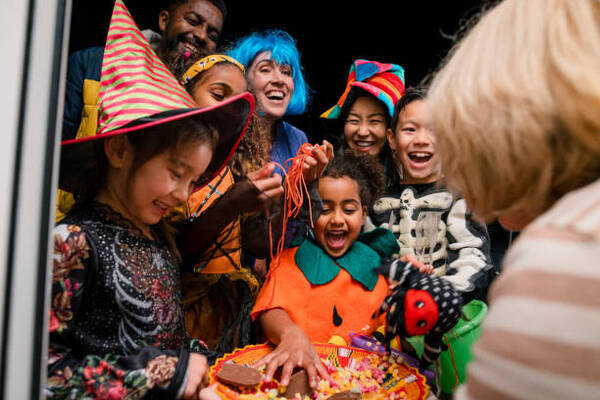
One of the most exciting elements of trick or treating is choosing a costume. People of all ages, from children to adults, embrace the opportunity to transform into their favorite characters, creatures, or spooky personas. The creativity knows no bounds, and homemade costumes are often a labor of love.
– Candy Collection:

Armed with elaborately designed bags, buckets, or pillowcases, trick-or-treaters roam the neighborhood, visiting houses adorned with carved pumpkins and spooky decorations. The expectation of receiving treats like candy, chocolate, and other sweets adds an extra layer of excitement.
– Decorated Homes:

Many homeowners take pride in decorating their houses with ghoulish themes, eerie lighting, and elaborate displays to create a spooky atmosphere. Some even set up haunted houses or mazes in their yards for the entertainment of trick-or-treaters.
– Safety Measures:
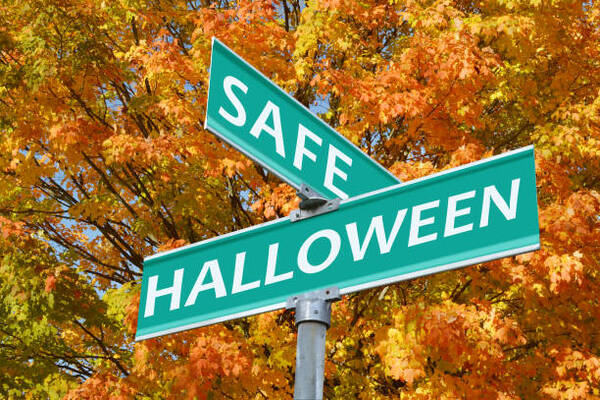
Safety is paramount during trick or treating. Parents accompany younger children, and reflective clothing or glow sticks are used to enhance visibility. Communities and local law enforcement often implement curfews to ensure everyone has a safe and enjoyable experience.
– Give and Take:
The essence of trick or treating lies in the friendly exchange of treats. Children, upon ringing the doorbell or knocking, shout “Trick or treat!” before receiving their candies. Some neighborhoods also have a rule that if no treat is given, a harmless trick might be played, although these tricks are usually good-natured and fun.
Conclusion
Trick or treating, a beloved Halloween tradition, is a delightful way for people of all ages to celebrate the holiday. Its origins can be traced back to ancient Celtic customs and have evolved over the centuries into a family-friendly event characterized by creative costumes, sweet treats, and a strong sense of community. As Halloween approaches, the thrill of trick or treating continues to captivate the imaginations of people young and old, keeping the spirit of the holiday alive and well. So, this Halloween, get ready to don your favorite costume, embrace the eerie ambiance, and join in the fun of trick or treating with friends and family, ensuring that the tradition endures for generations to come.