

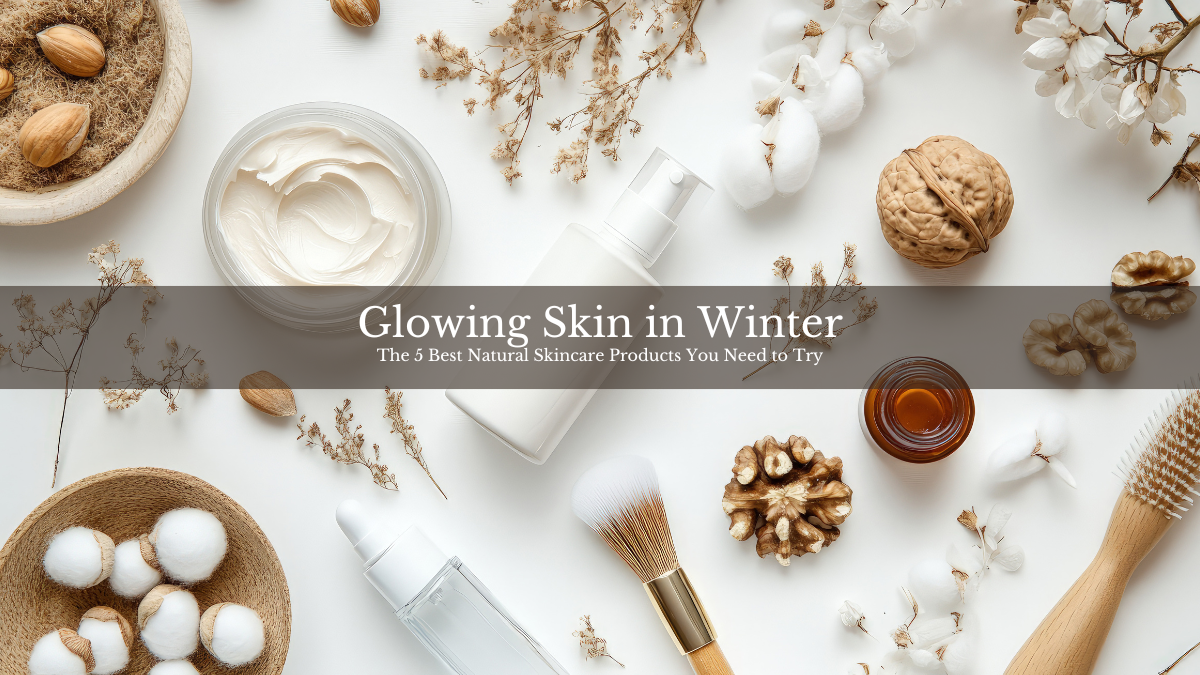
Winter can be absolutely brutal on your skin. I learned this the hard way during my first winter in a colder climate—my usually balanced skin turned into a flaky, tight mess within weeks. Between the harsh winds outside and the dry heat indoors, our skin loses moisture faster than we can say “hydration.” But here’s the good news: you don’t need a cabinet full of chemical-laden products to get that coveted winter glow.
After years of trial and error (and way too much money spent on products that didn’t work), I’ve discovered that natural skincare products are not only gentler on your skin but often more effective at combating winter’s harsh effects. Let me share the five natural skincare heroes that have completely transformed my winter skincare routine.
Why Natural Skincare Products Work Better in Winter
Before we dive into the products, let’s talk about why natural ingredients are particularly powerful during the colder months. Winter skin needs extra nourishment, and synthetic ingredients can sometimes strip away the natural oils your skin desperately needs to retain moisture.
Natural products work with your skin’s biology rather than against it. They’re packed with vitamins, antioxidants, and essential fatty acids that help repair your skin barrier—the protective layer that keeps moisture in and irritants out. When this barrier is strong, your skin can better withstand winter’s assault.
Plus, many natural ingredients have been used for centuries in skincare for good reason. They’ve stood the test of time because they actually work.
1. Rosehip Oil: The Winter Miracle Worker
If I could only choose one product for winter skincare, rosehip oil would be it. This golden elixir has completely changed my skin game, and I’m not exaggerating.
Why it works: Rosehip oil is extracted from the seeds of rose bushes and is loaded with vitamins A and C, essential fatty acids, and antioxidants. It penetrates deeply without leaving a greasy residue, making it perfect for all skin types—yes, even oily skin.
During winter, I apply 2-3 drops of pure, cold-pressed rosehip oil after my moisturizer at night. Within a week, I noticed my skin looked plumper and more radiant. The fine lines around my eyes seemed less pronounced, and that winter dullness? Gone.
What to look for: Always choose organic, cold-pressed rosehip oil. The pressing method matters because heat can destroy the beneficial nutrients. Look for oil that comes in a dark glass bottle to protect it from light degradation.
Pro tip: Mix a drop of rosehip oil with your foundation for a dewy, natural finish that lasts all day. Your skin will thank you.

2. Manuka Honey Face Mask: Nature’s Humectant
I was skeptical about putting honey on my face until a friend convinced me to try it during a particularly harsh winter. Now, it’s a non-negotiable part of my weekly routine.
Why it works: Manuka honey from New Zealand is like regular honey on steroids. It has powerful antibacterial and anti-inflammatory properties, plus it’s a natural humectant, meaning it draws moisture from the air into your skin and keeps it there.
I use a Manuka honey mask once or twice a week, leaving it on for 15-20 minutes while I catch up on emails or scroll through my phone. The results are immediate—my skin feels soft, looks brighter, and that tight, uncomfortable feeling disappears.
What to look for: Not all Manuka honey is created equal. Look for a UMF (Unique Manuka Factor) rating of at least 10+ for skincare purposes. Higher ratings (15+ or 20+) offer more potent antibacterial benefits but can be pricier.
DIY option: For an extra hydrating boost, mix your Manuka honey with a teaspoon of plain yogurt or mashed avocado. Apply to clean skin, relax, and rinse with warm water.

3. Hyaluronic Acid Serum (Plant-Derived): The Hydration Hero
Okay, I know hyaluronic acid sounds super scientific and not exactly “natural,” but hear me out. Plant-derived hyaluronic acid is naturally occurring in our bodies and can be sustainably extracted from plant sources like wheat.
Why it works: This ingredient is the ultimate moisture magnet. One molecule of hyaluronic acid can hold up to 1,000 times its weight in water. In winter, when humidity levels drop and your skin loses moisture rapidly, hyaluronic acid is your best defense.
The trick I learned? Apply it to damp skin right after washing your face. This allows it to seal in that moisture. Then follow with a good moisturizer to lock everything in place. My skin went from looking tired and dehydrated to plump and bouncy in just a few days.
What to look for: Choose serums with multiple molecular weights of hyaluronic acid. Different sizes penetrate different layers of your skin, providing comprehensive hydration. Look for additional natural ingredients like aloe vera or plant extracts.
Common mistake to avoid: Never apply hyaluronic acid to completely dry skin in a low-humidity environment. It will actually draw moisture from deeper layers of your skin, making things worse. Always apply to damp skin!

4. Shea Butter: The Rich Protector
When winter winds start whipping, shea butter becomes my skin’s bodyguard. This might be the most underrated natural ingredient in skincare.
Why it works: Raw, unrefined shea butter is extracted from the nuts of the African shea tree. It’s incredibly rich in vitamins A, E, and F, providing the building blocks your skin needs to repair itself. The high fatty acid content creates a protective barrier that shields your skin from harsh elements while still allowing it to breathe.
I keep a small jar of shea butter on my nightstand and apply it to extra-dry areas—elbows, knees, hands, and even my lips—before bed. There’s something deeply satisfying about the way it melts into your skin with your body heat.
What to look for: The keyword here is “unrefined” or “raw.” Refined shea butter has been processed and has lost many of its beneficial properties. Unrefined shea butter is ivory or yellowish in color and has a nutty scent. Don’t worry, the scent is mild and natural.
Bonus uses: Shea butter isn’t just for your face. Use it on your cuticles, cracked heels, and as a hand cream. I even run a tiny amount through the ends of my hair to combat winter static.

5. Jojoba Oil: The Skin Balancer
Last but definitely not least is jojoba oil, which has saved my skin barrier more times than I can count. This is especially crucial for anyone whose skin gets confused in winter—simultaneously dry and breaking out. Sound familiar?
Why it works: Here’s the fascinating part: jojoba oil isn’t technically an oil—it’s a wax ester that closely mimics your skin’s natural sebum. When you apply it, your skin recognizes it as similar to what it naturally produces. This helps regulate oil production rather than adding more oil to the mix.
I use jojoba oil as a facial massage oil once a week and as a light moisturizer on nights when my skin needs something simple. It absorbs quickly, never clogs my pores, and leaves my skin feeling balanced—not too oily, not too dry.
What to look for: Choose cold-pressed, organic jojoba oil in its pure form. Some products contain jojoba oil as an ingredient, which is fine, but having pure oil gives you more versatility.
Facial massage technique: Warm a few drops between your palms, then gently massage into your face using upward, circular motions. This not only helps with absorption but also boosts circulation, giving you that natural glow.

Building Your Winter Skincare Routine
Now that you know the star players, let me share how I incorporate them into my daily routine:
Morning:
- Cleanse with lukewarm water (hot water strips your skin)
- Apply hyaluronic acid serum to damp skin
- Follow with a light moisturizer
- Don’t forget SPF (yes, even in winter!)
Evening:
- Remove makeup and cleanse
- Apply hyaluronic acid serum to damp skin
- Layer on a richer moisturizer with shea butter
- Seal it all in with 2-3 drops of rosehip or jojoba oil
- Apply shea butter to extra-dry areas
Weekly:
- Use a Manuka honey mask 1-2 times
- Do a gentle jojoba oil facial massage once
Suggested Read: Check our 5 Kitchen Ingredients That Can Transform Your Skin Naturally
The Bottom Line
Switching to natural skincare products for winter doesn’t mean compromising on results. If anything, I’ve found that my skin responds better to these gentle, nourishing ingredients than it ever did to harsh chemicals.
The key is consistency and patience. Natural products work with your skin gradually, supporting its natural healing processes rather than forcing quick fixes that don’t last. Give these products at least 2-4 weeks to show their full effects.
Your skin is your body’s largest organ, and what you put on it matters. This winter, choose ingredients you can actually pronounce, products that are sustainably sourced, and formulations that work with your skin’s natural biology.
Trust me, when you step outside in February and catch your reflection in a shop window, you’ll be glad you made the switch. That natural, healthy glow? It’s not just possible in winter—it’s absolutely achievable.
Stay glowing, friends!